Top 10 In-Demand Jobs in Europe for 2026
Europe’s job market is changing rapidly as countries invest heavily in digital transformation, healthcare, green energy, and infrastructure development. In 2026, demand for skilled professionals across the European Union and the United Kingdom is expected to remain strong due to aging populations, technology growth, and labor shortages in key industries. For international job seekers, Europe offers excellent opportunities for work visas, permanent residency, and long-term career growth in some of the world’s most stable economies.
Information Technology and Software Development will remain one of the most in-demand job sectors in Europe. Software developers, cloud engineers, cybersecurity specialists, artificial intelligence experts, and data analysts are needed by banks, tech startups, government agencies, and multinational corporations. With digital banking, smart cities, and e-government platforms expanding, companies across Germany, the Netherlands, Ireland, Sweden, and the UK are actively hiring IT professionals with competitive salary packages and work visa sponsorship.
Healthcare and Medical Professionals are in extremely high demand across Europe due to an aging population and healthcare expansion. Doctors, nurses, medical technicians, physiotherapists, and healthcare assistants are needed in hospitals, clinics, and elderly care facilities. Countries such as Germany, the UK, France, and Sweden offer strong salary packages, relocation support, and permanent residency pathways for qualified healthcare workers.
Engineering and Construction Jobs continue to grow due to major infrastructure, housing, and renewable energy projects. Civil engineers, mechanical engineers, electrical engineers, project managers, and construction supervisors are required for transportation networks, housing developments, and industrial facilities. Many European countries face a shortage of skilled trades and engineering professionals, creating strong demand for international workers.
Renewable Energy and Environmental Jobs are expanding rapidly as Europe moves toward carbon neutrality. Wind turbine technicians, solar engineers, environmental scientists, energy analysts, and sustainability consultants are being hired by governments and private companies. Green energy investments in Germany, Spain, Denmark, and the Netherlands are creating thousands of high-paying jobs for professionals with experience in clean energy and environmental technology.
Finance and Accounting Professionals are also highly sought after in Europe’s growing business and banking sectors. Financial analysts, chartered accountants, auditors, tax consultants, and compliance officers are needed in financial hubs such as London, Frankfurt, Amsterdam, and Zurich. Companies require skilled professionals to manage international transactions, tax planning, and regulatory compliance.
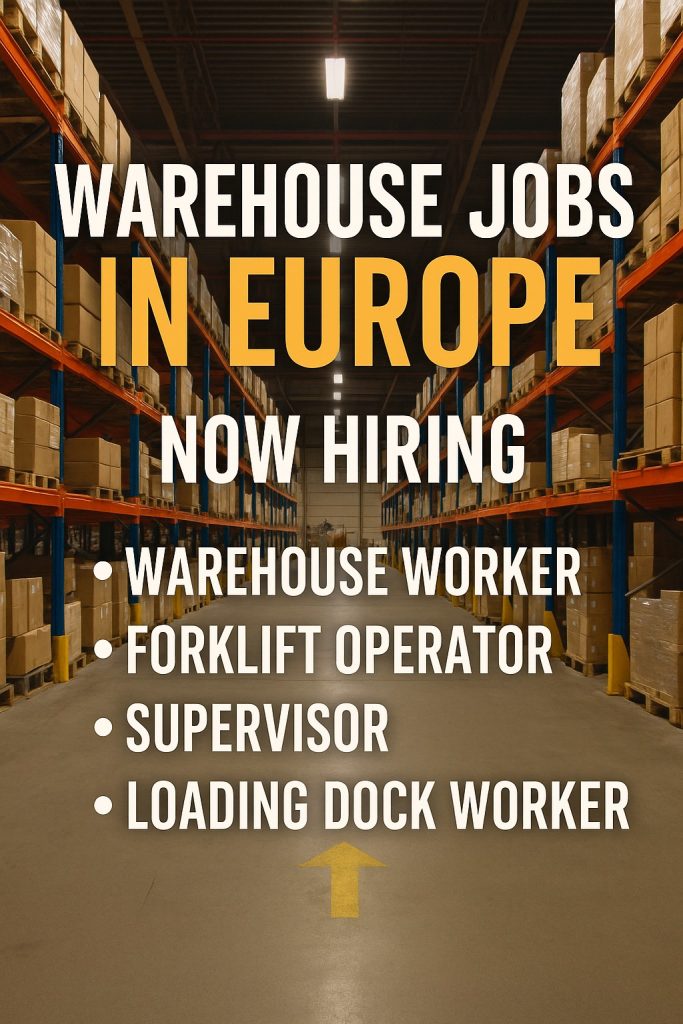
Logistics and Supply Chain Specialists are in high demand due to Europe’s position as a global trade and manufacturing hub. Warehouse managers, logistics coordinators, supply chain analysts, and freight forwarding specialists are required by e-commerce companies, shipping firms, and manufacturers. Countries such as Germany, Poland, and the Netherlands have some of the largest logistics centers in Europe.
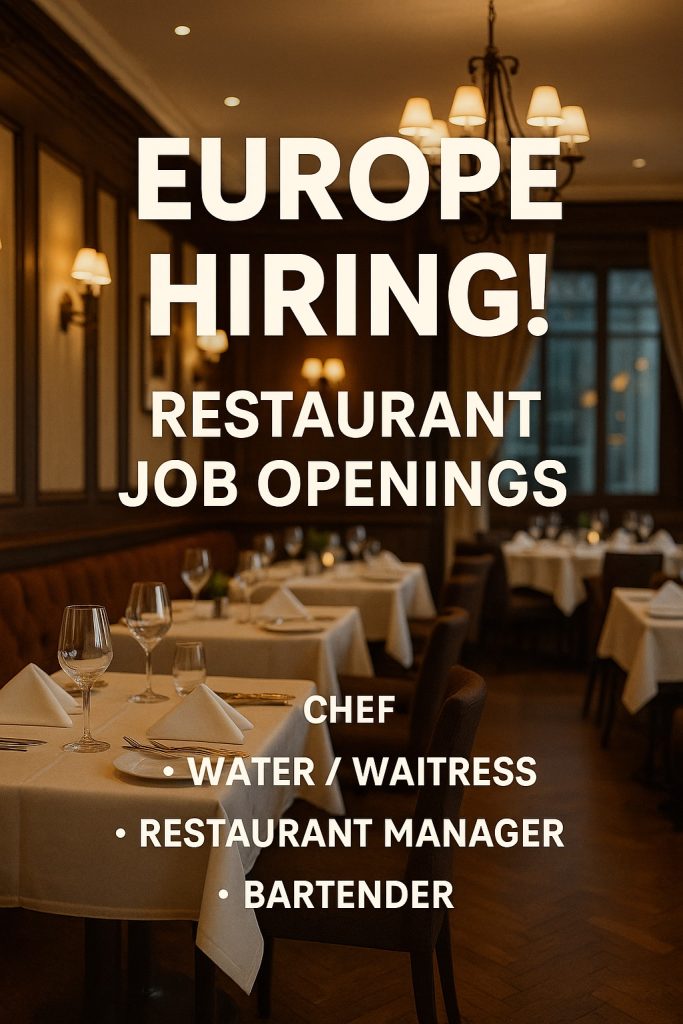
Hospitality and Tourism Professionals will continue to see strong demand in 2026 as international travel recovers and expands. Hotel managers, chefs, restaurant supervisors, guest service agents, and event managers are needed across Europe’s tourism destinations including Spain, Italy, France, Greece, and Portugal. Many hotels and resorts offer visa sponsorship and seasonal employment opportunities for foreign workers.
Skilled Trades and Technical Workers such as electricians, plumbers, welders, HVAC technicians, and maintenance engineers are in short supply across Europe. Construction companies, factories, and maintenance firms are actively recruiting skilled workers and offering competitive wages, overtime, and permanent contracts.
Education and Teaching Jobs are also growing, especially for English teachers, STEM teachers, and international school instructors. European countries with international schools and bilingual education programs require qualified teachers and education professionals, creating opportunities for long-term employment and residency.
Digital Marketing and E-Commerce Professionals are increasingly important as businesses shift online. Digital marketers, SEO specialists, content creators, social media managers, and e-commerce managers are in demand across Europe’s growing online business sector. Companies are willing to hire international talent to help expand their online presence and global reach.
Overall, Europe in 2026 offers outstanding career opportunities for professionals in technology, healthcare, engineering, finance, logistics, education, and digital business. With work visa programs, high living standards, and strong employment protection, Europe remains one of the best destinations for people looking to build a secure, high-paying international career.

How to Get a Work Visa for Europe: A Step-by-Step Guide
Europe is one of the best regions in the world for international workers because of high salaries, strong labor laws, free healthcare, and long-term residency opportunities. Countries like Germany, Netherlands, Poland, Portugal, Spain, Italy, and France are actively hiring foreign workers in IT, healthcare, engineering, construction, hospitality, and logistics.
Step 1 – Choose the Right European Country
Different European countries have different visa systems.
Germany offers the EU Blue Card and Skilled Worker Visa.
Netherlands offers the Highly Skilled Migrant Visa.
Poland offers the Work Permit Type A.
Portugal offers the D1 Work Visa.
Spain offers the Employee Work Visa.
Italy offers the Decreto Flussi Work Permit.
France offers the Talent Passport Work Visa.
You should select the country that matches your profession, salary level, and immigration rules.
Step 2 – Get a Job Offer from a European Employer
A European work visa requires an official employment contract or job offer. Employers must be registered and approved to hire foreign workers. Jobs in IT, healthcare, construction, engineering, logistics, and hospitality are most likely to get visa sponsorship.
Step 3 – Employer Applies for Work Authorization
In most countries, the employer must apply to the government for permission to hire you.
Germany: Employer submits documents to the immigration office.
Netherlands: Employer applies to IND for Highly Skilled Migrant approval.
Poland: Employer applies for a Work Permit.
Portugal & Spain: Employer applies for labor approval.
Once approved, you receive a work authorization or reference number.
Step 4 – Prepare Your Documents
You will need:
Valid passport
Job contract
CV
Education certificates
Work experience letters
Health insurance
Police clearance (some countries)
Accommodation proof
Passport photos
Step 5 – Apply at the Embassy
You must apply at the embassy or visa center of that country in your home country. You submit forms, documents, biometrics, and visa fees.
Step 6 – Medical & Background Check
Most countries require medical tests and criminal record checks.
Step 7 – Receive Visa and Travel
After approval, you receive a national work visa to enter the country.
Step 8 – Register After Arrival
After arriving in Europe, you must:
Register your address
Apply for residence permit card
Get tax number & national ID
Step 9 – Start Working Legally
Once your residence permit is issued, you can legally work in Europe.
Step 10 – Permanent Residency & Citizenship
Most EU countries allow Permanent Residency after 3–5 years and citizenship after long-term legal stay.
Which Countries Are Best for Foreign Workers?
Germany – Best for engineers, IT, healthcare
Netherlands – Best for tech & corporate jobs
Poland – Best for logistics, factories, construction
Portugal – Best for hospitality, digital workers
Spain – Best for tourism & services
Italy – Best for manufacturing & hospitality
France – Best for corporate & healthcare
Top Cities to Work in Europe: Where to Move for Better Opportunities
Europe is one of the best regions in the world for professionals seeking stable employment, high salaries, and a high quality of life. With strong economies, international companies, and supportive immigration policies, many European cities are actively hiring skilled workers from abroad. Whether you are in IT, healthcare, engineering, finance, logistics, or hospitality, Europe offers excellent opportunities for career growth, work visa sponsorship, and long-term residence.
Berlin, Germany is one of Europe’s fastest-growing job markets, especially for technology, startups, engineering, and creative industries. The city hosts thousands of international companies and tech startups, creating strong demand for software developers, data analysts, engineers, and digital marketers. Germany also offers the EU Blue Card, making it easier for skilled professionals to get work visas and permanent residency.
Munich, Germany is another top destination for high-paying jobs, especially in engineering, automotive, manufacturing, and IT. Companies such as BMW, Siemens, and global tech firms operate in the city, offering excellent salary packages and long-term employment stability. Munich is ideal for professionals seeking high income and strong career development.
Amsterdam, Netherlands is one of Europe’s best cities for international professionals. It is a major hub for finance, fintech, technology, e-commerce, and corporate headquarters. Many multinational companies operate from Amsterdam, and the Dutch government provides a Highly Skilled Migrant Visa that allows companies to easily sponsor foreign workers.
Dublin, Ireland is one of the strongest job markets in Europe for technology, finance, and pharmaceutical jobs. Global companies such as Google, Meta, Amazon, and Pfizer have large offices in Dublin. This creates high demand for IT professionals, data scientists, accountants, and engineers, with excellent salaries and visa sponsorship options.
London, United Kingdom remains one of the world’s leading business and financial centers. It offers strong job opportunities in banking, finance, law, technology, media, and healthcare. The UK Skilled Worker Visa allows international professionals to work legally and apply for permanent residency after a few years.
Paris, France is a major center for business, fashion, technology, tourism, and international trade. It offers jobs in marketing, finance, hospitality, engineering, and luxury retail. France also provides work visas and long-term residence permits for qualified professionals.
Warsaw, Poland is becoming one of the fastest-growing job markets in Europe, especially in IT, finance, logistics, and customer service. Many international companies outsource operations to Poland, creating thousands of jobs for both local and foreign workers. Poland also offers relatively easy work permit processes compared to other EU countries.
Lisbon, Portugal is one of Europe’s most attractive cities for digital professionals, startups, and remote workers. Portugal offers work visas and residency options for skilled workers, IT professionals, and entrepreneurs. The city also has a lower cost of living compared to many Western European capitals.
Barcelona, Spain offers strong job opportunities in tourism, hospitality, digital marketing, e-commerce, and technology startups. Spain continues to attract international companies and offers work visa programs for skilled professionals.
Stockholm, Sweden is one of Europe’s leading cities for technology, innovation, and engineering. It is home to global companies in software, gaming, and clean energy, making it an excellent choice for IT professionals and engineers seeking high-paying jobs.
These European cities provide some of the best opportunities for international workers looking for work visa sponsorship, career growth, and long-term stability. With strong economies, modern infrastructure, and international employers, Europe remains one of the top destinations in the world for professionals who want to build a successful global career.
High-Paying Jobs in Europe with No Degree Requirements
Many people believe that a university degree is required to earn a high salary in Europe, but this is no longer true. In 2026, several European countries such as Germany, Netherlands, Poland, Italy, Spain, and Ireland are facing a shortage of skilled workers in technical, industrial, and service-based roles. As a result, many employers now focus on skills, experience, and certifications rather than academic degrees, opening strong opportunities for international workers to earn good income and secure work visas.
Truck drivers and heavy vehicle operators are among the highest-paid workers without a degree in Europe. Logistics and transportation companies across Germany, Poland, and the Netherlands urgently need drivers to move goods across borders. These jobs offer strong monthly salaries, overtime pay, and long-term employment contracts, along with work visa sponsorship in many countries.
Electricians, plumbers, and HVAC technicians are in extremely high demand due to ongoing construction, housing, and infrastructure projects. Skilled trades workers can earn very competitive wages, especially in Germany, France, and the UK. Many employers accept vocational training, work experience, or trade certificates instead of a university degree.
Welders and metal fabricators also earn high salaries across Europe’s manufacturing and shipbuilding industries. Countries such as Germany, Italy, and Poland hire thousands of welders for factories, industrial plants, and construction projects. These roles often provide paid accommodation, overtime, and visa sponsorship.
Warehouse supervisors and logistics coordinators are another high-paying career option that does not require a university degree. With the growth of e-commerce and distribution centers, companies need skilled workers to manage inventory, shipping, and delivery operations. These jobs are widely available in Germany, Netherlands, and Central Europe.
Construction supervisors and site foremen earn attractive salaries by managing workers, schedules, and safety on building sites. Many of these professionals start as laborers and move up through experience, making this one of the best career paths without a degree.
Hotel chefs, cooks, and hospitality supervisors also earn strong income in Europe’s tourism-driven economies. Countries such as France, Italy, Spain, and Greece need skilled kitchen staff and hotel supervisors, and employers often provide accommodation, meals, and visa sponsorship.
Caregivers and support workers are in high demand across Europe due to an aging population. Many healthcare facilities in Germany, Italy, and the UK hire international workers and provide training, making this one of the fastest-growing career options without a degree.
Security guards and facility supervisors also earn stable income in commercial buildings, airports, shopping malls, and hotels across Europe. Many employers provide paid training and long-term employment contracts.
Europe remains one of the best regions in the world for workers without a degree to build a stable and high-paying career. With strong labor protection, work visa options, and continuous demand for skilled workers, international professionals can earn good salaries, gain permanent residency, and secure a better future through employment in Europe.
Freelancing in Europe: How to Start Your Remote Career
Freelancing in Europe has become one of the fastest-growing ways to earn income as more companies shift to remote work, digital services, and project-based hiring. European countries such as Germany, Portugal, Spain, Estonia, and the Netherlands now offer freelancer visas and digital nomad programs that allow international professionals to live and work legally while serving clients worldwide. With strong internet infrastructure, modern cities, and stable economies, Europe is one of the best regions for building a long-term freelance career.
One of the biggest advantages of freelancing in Europe is the availability of legal residence options for independent workers. Countries like Portugal, Spain, Estonia, and Croatia offer digital nomad or freelancer visas that allow professionals to live in Europe while working remotely for international clients. Germany and France also provide self-employment visas for freelancers who can prove regular income and client contracts. These visa programs allow freelancers to access European banking, healthcare, and long-term residency options.
Freelancers in Europe work across many high-income industries including software development, graphic design, content writing, digital marketing, video editing, web development, online consulting, and e-commerce management. European startups and international companies regularly hire freelancers for specialized projects, making it easier to earn income without being tied to a single employer. Because European clients pay in euros, freelancers often earn higher rates compared to many other regions.
To start freelancing in Europe, it is important to build a strong professional profile and portfolio. Many freelancers find clients through platforms such as Upwork, Fiverr, Freelancer, Toptal, and PeoplePerHour, while others use LinkedIn and personal websites to attract direct clients. A well-written profile, clear service packages, and positive reviews help freelancers secure higher-paying projects and long-term contracts.
Managing taxes and legal registration is an important part of freelancing in Europe. Most countries require freelancers to register as self-employed and declare income for tax purposes. While tax rules vary by country, many freelancer visas allow simplified tax systems or flat-rate tax options. Opening a European bank account also helps freelancers receive payments from international clients and manage business expenses easily.
Freelancing in Europe offers flexibility, financial growth, and the opportunity to live in some of the world’s most developed and culturally rich countries. With the right visa, professional skills, and online presence, freelancers can build a stable remote career, earn in strong European currencies, and enjoy long-term residency opportunities across Europe.